Letter to Injured Jono
Instructions for next time you are injured, based on my experience being injured.
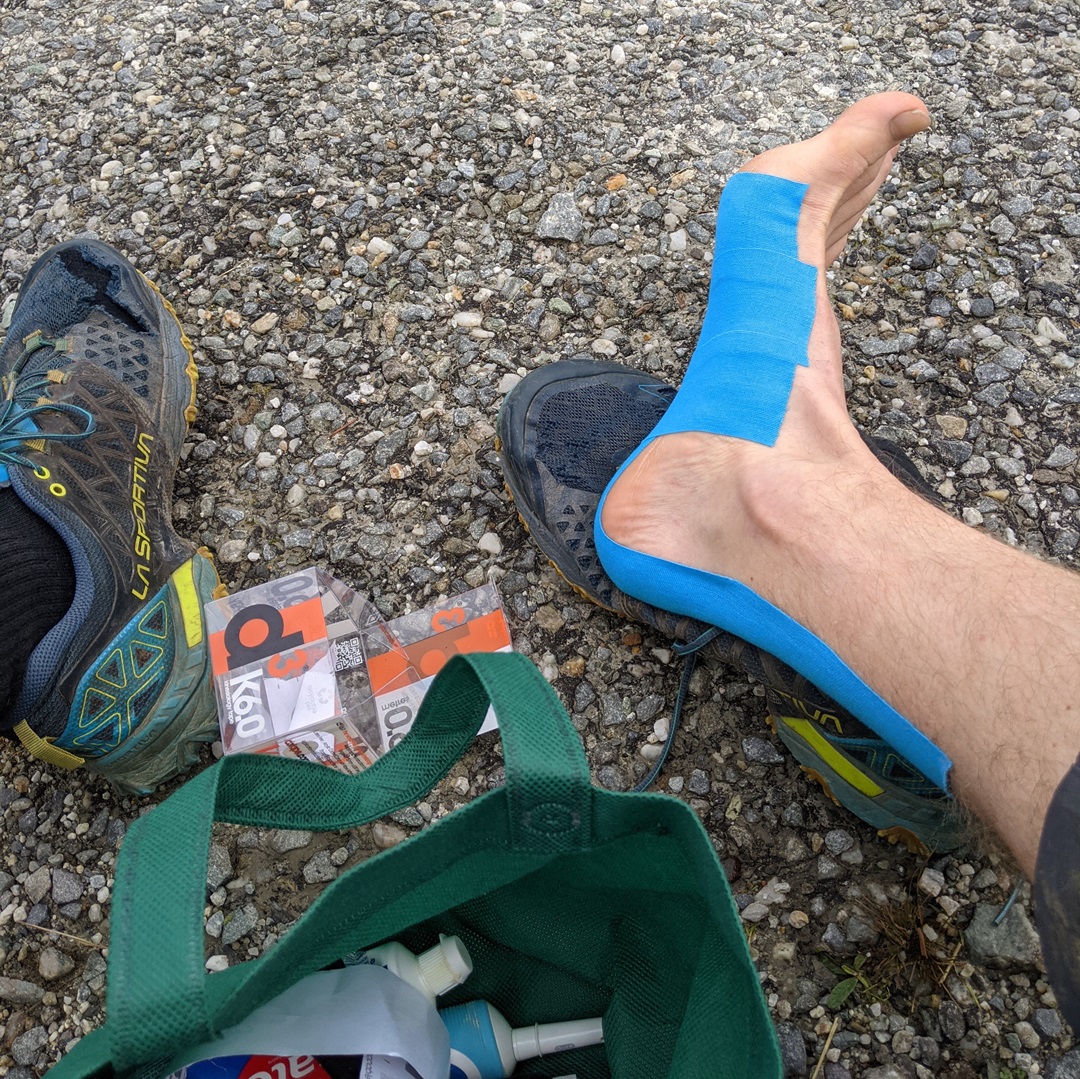
I seem to spend a fair bit of time injured, whether that’s because of my body or my inability to listen to it. During the nine months that I was in Tonga in 2023 I had a serious foot injury. I’ve tried to write myself some instructions for next time, so that I don’t forget all the lessons I learned.
Dear Injured Jono,
If the injury is only just a niggle, or you are still in denial, there are still a few important things to do.
- Figure out what the injury does and doesn’t like, both activities and recovery modes. Different sports, walking, sitting, standing, heat, stretching, massage - all these things can help or hinder depending on the injury. Keeping a pain diary can help with this in order to track progress and link things that aren’t obvious.
- Avoid the things that hurt it, focus on the things that make it feel better.
- But if it doesn’t resolve itself quickly, go see a professional.
Once you know that you are injured, or you have been diagnosed, I would suggest a few more things.
- Rest, but don’t completely rest. Try relative rest, with some movement controls or limitations to avoid making the injury worse. Complete rest will start the rest-pain feedback loop. Rest reduces capacity, which means more pain on return to activity, which results in more rest. See what you can do to modify your training in order to keep progressing in some aspect of your discipline. IE if you can jog but not sprint, work on cadence and proprioception drills. Or if you are into navigational sports, focus on skill acquisition.
- It’s good to have a side project that is unrelated to your injury. “Recovery should be your sport” is good for some people, but in my experience it results in trying too hard and leads to worse outcomes. Cross training helps me stay patient. Gym is probably the most reliable way to see “number go up” as long as you are flexible with which exercises you want to do - and there’s almost always some set of movements you can still do. I’ve found swimming helpful before, it is very mindful and low impact, but it has a steep learning curve. If you can’t do either of these get back in to breath work - whether that’s wim hof or apnea. This will help you get the benefits of exercise, as well as give you a project where you can see progress. If this is a new hobby, make sure you ease into it to avoid any more injuries!
- Exploit the things that don’t make the injury worse! If you can still spend a lot of energy on your training, that’s amazing. But if you can’t then ramp up your cross training. You should be trying to keep as much conditioning as you can while still allowing the injury to heal.
- If things aren’t improving week on week, look for second opinions. You’ve got nothing to lose if the current regime isn’t working. In my experience even slow injuries improve week on week with the correct treatment. For eight months of my foot injury I was misdiagnosed and thus the exercises prescribed were making it worse, not better. Once I had the correct diagnosis, the pain went away in two weeks and I was almost straight into a return to run program.
- Acceptance, patience, and non-judgement towards the injury are all super important. Your beliefs around recovery highly impact your outcomes, so having a positive, non-stressed mindset will help you recover faster. With my foot injury, I believed it would not heal until I was in Australia, and that came true! While there are multiple factors at play there, the research suggests that these beliefs do have a large impact on our recovery. This negative belief may well have slowed down my recovery. Having the mindset that training around this injury is a rite of passage as an athlete is much more helpful than believing that you are a victim to random chance and are being prevented from being an athlete.
- A pain diary can still be a useful tool, especially if recovery drags on. Importantly don’t discount your observations about pain if they don’t match your mental model. In Tonga riding with one bike hurt the injured foot and the other didn’t, yet I thought cycling in general was bad - but it was just one pedal-shoe combination. Calf raise negatives hurt my foot, but I ignored that as the physio had told me to do them. This diary can also help you stay realistic about the progress you make and not spiral.
- I haven’t written much about doing your physio exercises as I know you are a stickler for these anyway. As you recover, rebuild load and degrees of freedom in the moment as the physio supports it and the body tolerates it in a relatively pain free way. Complete pain avoidance can lead to learned pain, but I don’t fully understand this yet. Sticking to a pain level of 0-3 out of 10 is recommended, as long any pain during the activity settles within 24 hours. Your physio will tell you all this anyway.
Best of luck dealing with your injury,
Uninjured Jono
Further Reading
Some resources that I have found helpful and informative: